


Japanese Speaking Practice
Learn Common Phrases & Conversations
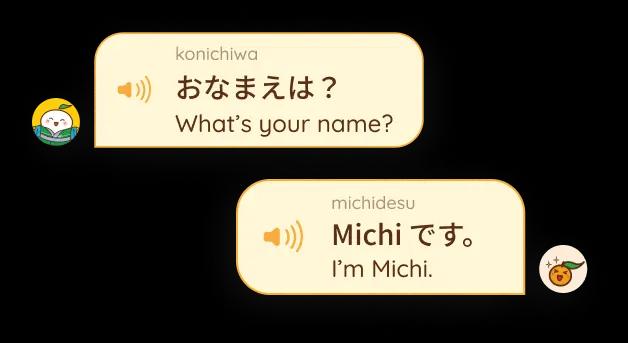

Speaking Japanese is one of the most rewarding skills you can develop. Learning common phrases and conversations helps you communicate naturally and build confidence in real-life situations.
FAQ
1. How long does it take to speak Japanese?
With consistent practice, you can hold basic conversations in 3-6 months. Starting with common phrases and daily practice accelerates your progress significantly.
2. What are the most useful Japanese phrases for beginners?
Essential phrases include greetings (こんにちは - hello), self-introduction (はじめまして - nice to meet you), and polite expressions (ありがとうございます - thank you, すみません - excuse me).
3. How can I improve my Japanese pronunciation?
The best way is to listen and repeat native speakers. Practice with audio lessons, shadowing techniques, and conversation drills. Recording yourself helps identify areas for improvement.
Why Focus on Speaking Japanese?
While reading and writing are important, speaking is how you connect with people. Whether you're traveling to Japan, making Japanese friends, or preparing for work, speaking skills open doors that other skills cannot.
Japanese pronunciation is actually quite straightforward for English speakers. Unlike tonal languages, Japanese uses a simple vowel system (a, i, u, e, o) that remains consistent across all words.

Start Speaking Japanese Today
Essential Japanese Phrases for Beginners
Greetings (挨拶 - Aisatsu)
| Japanese | Romaji | Meaning | When to Use |
|---|---|---|---|
| おはようございます | Ohayou gozaimasu | Good morning | Morning until ~10am |
| こんにちは | Konnichiwa | Hello / Good afternoon | Daytime |
| こんばんは | Konbanwa | Good evening | Evening |
| さようなら | Sayounara | Goodbye | Formal farewell |
Polite Expressions (丁寧な表現)
| Japanese | Romaji | Meaning |
|---|---|---|
| ありがとうございます | Arigatou gozaimasu | Thank you (polite) |
| すみません | Sumimasen | Excuse me / Sorry |
| ごめんなさい | Gomen nasai | I'm sorry |
| お願いします | Onegaishimasu | Please |
Tips for Improving Your Japanese Speaking
1. Practice with Audio
Always learn phrases with native audio. Hearing correct pronunciation from the start prevents bad habits. MochiKana provides audio for every phrase so you can listen and repeat accurately.
2. Use Shadowing Technique
Shadowing means listening to Japanese and repeating immediately after (like an echo). This trains your mouth to produce Japanese sounds naturally and improves your rhythm and intonation.
3. Learn Phrases, Not Just Words
Instead of memorizing isolated vocabulary, learn complete phrases you can use in real situations. This helps you understand natural word order and speak more fluently.
4. Practice Daily Conversations
Focus on everyday situations: introducing yourself, ordering food, asking for directions, shopping. These scenarios give you practical skills you can use immediately.
Learn Real Japanese Conversations
MochiKana offers conversation lessons covering common scenarios you'll encounter in Japan. Each lesson includes:
- Native speaker audio for accurate pronunciation
- Phrase-by-phrase breakdown with translations
- Cultural notes for using phrases appropriately
- Practice exercises to reinforce learning
Quick Tips for Speaking Success
- Don't be afraid of mistakes: Native speakers appreciate your effort and will help you improve.
- Start simple: Master basic greetings before moving to complex sentences.
- Practice every day: Even 10 minutes of daily practice is better than one long weekly session.
- Record yourself: Compare your pronunciation with native speakers to identify areas for improvement.
Speaking Japanese might feel challenging at first, but with consistent practice and the right resources, you'll be having real conversations sooner than you think!